
 Get emergency food
Young lives under pressure
What young people are telling us about their future – and how the government can restore hope.
This briefing brings together evidence from four pieces of Trussell research exploring young people’s experiences of hardship across the UK.
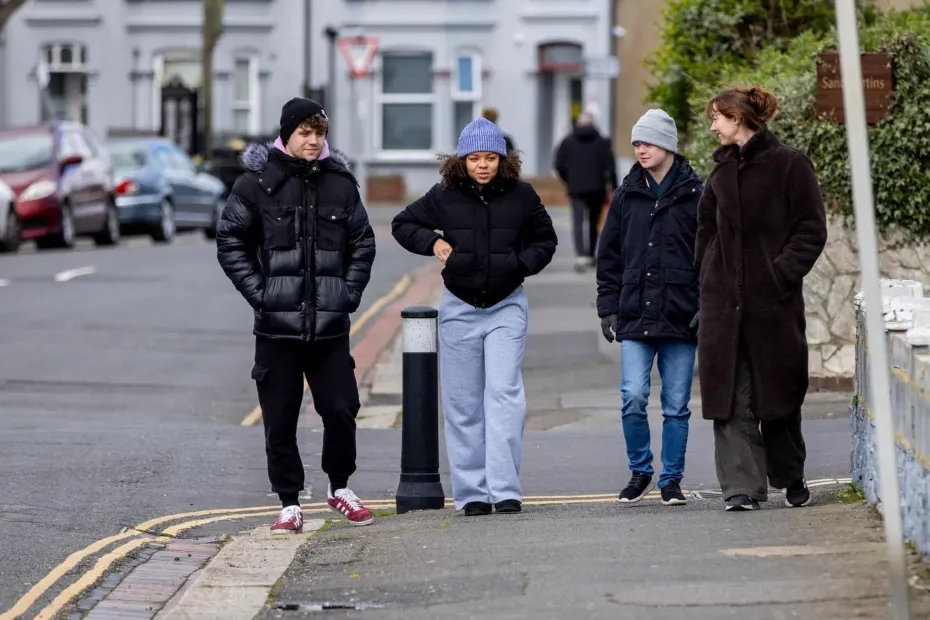
Young people are facing significant barriers to building the secure and hopeful futures they want and deserve. Our research found that financial pressure is forcing many young people to go without the essentials, delaying major life milestones and limiting access to education, employment and opportunities. Evidence suggests that experiences of hardship in childhood continue to shape outcomes in the transition to adulthood.
Young people are going without food and other essentials
Too many young people are going without food and other essentials and this is even more stark for young people who have experienced hardship growing up.
A third (31%) of young people have cut back on food so they could afford other essentials and nearly one in five (18%) have skipped meals so they could travel to work or school. Among young people who experienced hardship growing up, this rises to more than half (52%) and one in three (32%) respectively.
Financial pressure is delaying major life milestones for young people
For many young people, milestones such as moving out of the family home, learning to drive and buying a home are increasingly out of reach, limiting their independence and restricting opportunities to build the future they want.
Alarmingly, almost a quarter of young people (23%) do not feel hopeful about the future.
Young people are caught between low incomes and high costs
Many find that their income does not cover the costs they face, with social security and the National Minimum Wage set at lower rates for young people. Meanwhile, young people face high and rising living costs, with housing a particular challenge.
Trapped in a cycle where low incomes mean they can focus only on immediate needs, young people have little opportunity to plan for the future, build financial resilience or pursue new opportunities.
Young people face barriers to employment, education and opportunity
For too many young people, the pathways into employment, education and opportunity are shaped by barriers beyond their control. Amongst those that grew up in hardship, 59% say that job opportunities are poor in their local area, but moving elsewhere can be financially out of reach.
Childhood hardship continues to impact young people as they transition into adulthood. Young people who experienced hardship growing up are almost twice as likely to not be in employment, education or training (NEET) as those who did not.
Fragmented support at key transition moments
For young people, transition points, including leaving school, leaving the care system, moving house, becoming a parent and entering the workforce, are key moments of risk. Many young people struggle to access services that could help them navigate challenges. And even where support exists, it is often fragmented and poorly coordinated, leaving young people at risk of falling through the cracks.
The interim Milburn Review report is right that system failures and hardship are stifling young people's opportunities, but reducing the number of young people NEET will not be achieved by cuts to social security support. The Milburn review should urge the government to focus on the drivers of hardship among young people, and on putting the right support in place to enable them to move forward with their lives.
The UK government should also end the freeze on Local Housing Allowance and maintain the link with local rents to ensure young people have a safe, secure and affordable home from where to build a better future.
Taking further steps to improve employment support and increase engagement for people with complex barriers to work should be a priority for the UK government, alongside ensuring social security reduces hardship and unlocks opportunity for young people.